

Compounding is the process of mixing plastics with other additives by melting them. This process changes the physical, thermal, electrical or aesthetic properties of the plastic. The final product is called compound or mixed. The composition starts with a base resin or polymer.
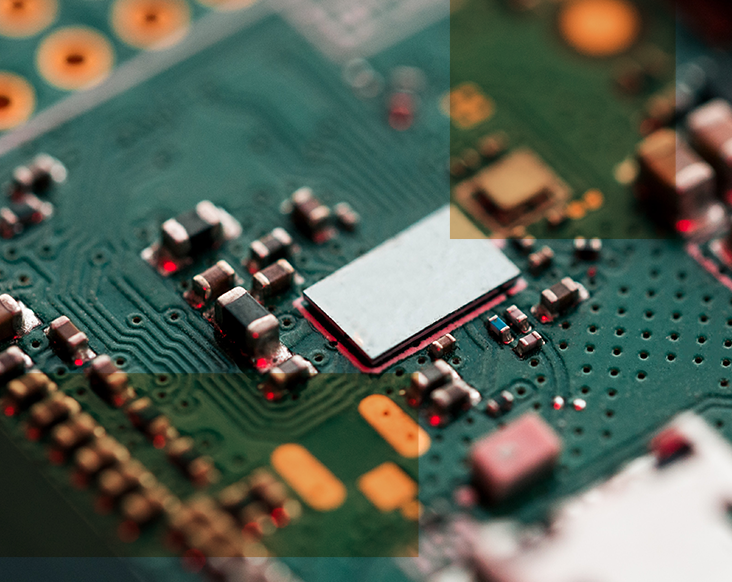
Polymers Used In The Electrical Appliances Industry
textiles, automotive industry, carpets, kitchen utensils and sportswear
PC is commonly used for plastic lenses in eyewear, in medical devices, automotive components, protective gear, greenhouses, Digital Disks (CDs, DVDs, and Blu-ray), and exterior lighting fixtures
PBT (Polybutylene Terephthalate) Polybutylene
terephthalate (PBT) is a thermoplastic
engineering polymer that is used in automotive
and electronics industries. It is a thermoplastic
(semi)crystalline polymer, and a type of
polyester
Thermoplastic elastomers, sometimes referred to as
thermoplastic rubbers, are a class of copolymers or
a physical mix of polymers that consist of materials
with both thermoplastic and elastomeric properties.
TPEs are used in a variety of applications in the
automotive, medical, construction, electrical,
appliance, packaging and industrial markets – and
new uses for TPEs are being developed all the time.
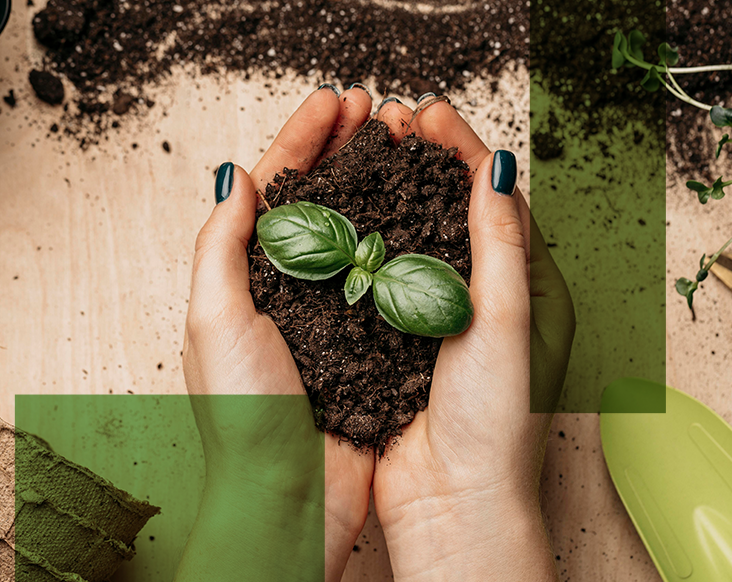
Polymers used in the agricultural industry
packaging ,plastic bags, plastic films, geomembranes and containers including bottles
packaging film, trash and grocery bags, agricultural mulch, wire and cable insulation, squeeze bottles, toys, and housewares
Mechanical gears, sliding and guiding elements, housing parts, springs, chains, screws, nuts, fan wheels, pump parts, valve bodies.
Electrical engineering: insulators, bobbins, connectors, parts for electronic devices such as televisions, telephones, etc.
Vehicle: fuel sender unit, light/control stalk/combination switch (including shifter for light, turn signal), power windows, door lock systems, articulated shells.
Model: model railway parts, such as trucks (bogies) and hand rails (handle bars). POM is tougher than ABS, comes in bright translucent colors, and is not paintable.
Hobbies: radio-controlled helicopter main gear, landing skid, yo-yos, vaping drip tips, K’Nex,[19] ball-jointed dolls,[20] etc.
Medical: insulin pen, metered dose inhalers (MDI).
Food industry: Food and Drug Administration has approved some grades of POM for milk pumps, coffee spigots, filter housings and food conveyors.[21]
Furniture: hardware, locks, handles, hinges., rollers for sliding mechanisms of furnitures
Construction: structural glass – pod holder for point
Packaging: aerosol cans, vehicle tanks.
Sports: paintball accessories. It is often used for machined parts of paintball markers that do not require the strength of aluminum, such as handles and reciprocating bolts. POM is also used in airsoft guns to reduce piston noise.
Longboarding: puck material for slide gloves helps the rider touch the road and lean on their hand to slow down, stop, or perform tricks.
Clothing: zippers.
Music: picks, Irish flutes, bagpipes, practice chanters, harpsichord plectra, instrument mouthpieces, tips of some drum sticks.[22][23]
Dining: fully automatic coffee brewers; knife handles (particularly folding knives).
Horology: mechanical movement parts (e.g. Lemania 5100[24]), watch bracelets (e.g. IWC Porsche Design 3701).
Vapor/e-cigarette accessories: material used in the manufacturing of most “Drip Tips” (Mouthpiece).
Tobacco products: The BIC Group uses Delrin for their lighters.[25]
Keyboard keycaps: Cherry uses POM for their G80 and G81 series keyboards
Thermoplastic elastomers, sometimes referred to as
thermoplastic rubbers, are a class of copolymers or
a physical mix of polymers that consist of materials
with both thermoplastic and elastomeric properties.
TPEs are used in a variety of applications in the
automotive, medical, construction, electrical,
appliance, packaging and industrial markets – and
new uses for TPEs are being developed all the time.
Polymers used in the automotive industry
textiles, automotive industry, carpets, kitchen utensils and sportswear
PBT (Polybutylene Terephthalate) Polybutylene
terephthalate (PBT) is a thermoplastic
engineering polymer that is used in automotive
and electronics industries. It is a thermoplastic
(semi)crystalline polymer, and a type of
polyester.
PC is commonly used for plastic lenses in eyewear, in medical devices, automotive components, protective gear, greenhouses, Digital Disks (CDs, DVDs, and Blu-ray), and exterior lighting fixtures
Mechanical gears, sliding and guiding elements, housing parts, springs, chains, screws, nuts, fan wheels, pump parts, valve bodies.
Electrical engineering: insulators, bobbins, connectors, parts for electronic devices such as televisions, telephones, etc.
Vehicle: fuel sender unit, light/control stalk/combination switch (including shifter for light, turn signal), power windows, door lock systems, articulated shells.
Model: model railway parts, such as trucks (bogies) and hand rails (handle bars). POM is tougher than ABS, comes in bright translucent colors, and is not paintable.
Hobbies: radio-controlled helicopter main gear, landing skid, yo-yos, vaping drip tips, K’Nex,[19] ball-jointed dolls,[20] etc.
Medical: insulin pen, metered dose inhalers (MDI).
Food industry: Food and Drug Administration has approved some grades of POM for milk pumps, coffee spigots, filter housings and food conveyors.[21]
Furniture: hardware, locks, handles, hinges., rollers for sliding mechanisms of furnitures
Construction: structural glass – pod holder for point
Packaging: aerosol cans, vehicle tanks.
Sports: paintball accessories. It is often used for machined parts of paintball markers that do not require the strength of aluminum, such as handles and reciprocating bolts. POM is also used in airsoft guns to reduce piston noise.
Longboarding: puck material for slide gloves helps the rider touch the road and lean on their hand to slow down, stop, or perform tricks.
Clothing: zippers.
Music: picks, Irish flutes, bagpipes, practice chanters, harpsichord plectra, instrument mouthpieces, tips of some drum sticks.[22][23]
Dining: fully automatic coffee brewers; knife handles (particularly folding knives).
Horology: mechanical movement parts (e.g. Lemania 5100[24]), watch bracelets (e.g. IWC Porsche Design 3701).
Vapor/e-cigarette accessories: material used in the manufacturing of most “Drip Tips” (Mouthpiece).
Tobacco products: The BIC Group uses Delrin for their lighters.[25]
Keyboard keycaps: Cherry uses POM for their G80 and G81 series keyboards
Polyvinyl Chloride (PVC) is one of the most widely
used polymers in the world. Due to its versatile
nature, PVC is used extensively across a broad
range of industrial, technical and everyday
applications including widespread use in building,
transport, packaging, electrical/electronic and
healthcare applications
packaging ,plastic bags, plastic films, geomembranes and containers including bottles
packaging film, trash and grocery bags, agricultural mulch, wire and cable insulation, squeeze bottles, toys, and housewares
food packaging and laboratory ware
disposable plastic cutlery and dinnerware, CD “jewel” cases, smoke detector housings, license plate frames, plastic model assembly kits, and many other objects where a rigid, economical plastic is desired.
ABS or Acrylonitrile butadiene styrene is a common
thermoplastic polymer typically used for injection
molding applications. This engineering plastic is
popular due to its low production cost and the ease
with which the material is machined by plastic
manufacturers.
As well as its uses in computer keyboard components
and LEGO bricks, ABS is commonly used to make
plastic face guards for wall sockets and protective
housing for power tools. It is commonly used in the
automotive field too, for items such as plastic alloys
and decorative interior car parts.
1
Thermoplastic elastomers, sometimes referred to as
thermoplastic rubbers, are a class of copolymers or
a physical mix of polymers that consist of materials
with both thermoplastic and elastomeric properties.
TPEs are used in a variety of applications in the
automotive, medical, construction, electrical,
appliance, packaging and industrial markets – and
new uses for TPEs are being developed all the time.
Polypropylene uses range from plastic packaging, plastic parts for machinery and equipment and even fibers and textiles
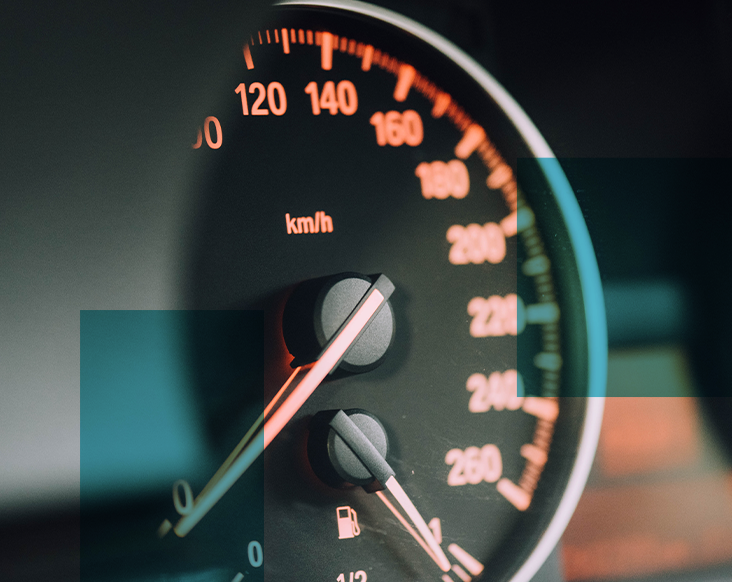
Polymers used in the household appliance industry

1
food packaging and laboratory ware
disposable plastic cutlery and dinnerware, CD “jewel” cases, smoke detector housings, license plate frames, plastic model assembly kits, and many other objects where a rigid, economical plastic is desired.
Thermoplastic elastomers, sometimes referred to as
thermoplastic rubbers, are a class of copolymers or
a physical mix of polymers that consist of materials
with both thermoplastic and elastomeric properties.
TPEs are used in a variety of applications in the
automotive, medical, construction, electrical,
appliance, packaging and industrial markets – and
new uses for TPEs are being developed all the time.
ABS or Acrylonitrile butadiene styrene is a common
thermoplastic polymer typically used for injection
molding applications. This engineering plastic is
popular due to its low production cost and the ease
with which the material is machined by plastic
manufacturers.
As well as its uses in computer keyboard components
and LEGO bricks, ABS is commonly used to make
plastic face guards for wall sockets and protective
housing for power tools. It is commonly used in the
automotive field too, for items such as plastic alloys
and decorative interior car parts.
PC is commonly used for plastic lenses in eyewear, in medical devices, automotive components, protective gear, greenhouses, Digital Disks (CDs, DVDs, and Blu-ray), and exterior lighting fixtures
Polypropylene uses range from plastic packaging, plastic parts for machinery and equipment and even fibers and textiles
packaging ,plastic bags, plastic films, geomembranes and containers including bottles
packaging film, trash and grocery bags, agricultural mulch, wire and cable insulation, squeeze bottles, toys, and housewares
textiles, automotive industry, carpets, kitchen utensils and sportswear
Polymers used in the textile industry
textiles, automotive industry, carpets, kitchen utensils and sportswear
packaging ,plastic bags, plastic films, geomembranes and containers including bottles
packaging film, trash and grocery bags, agricultural mulch, wire and cable insulation, squeeze bottles, toys, and housewares
Polypropylene uses range from plastic packaging, plastic parts for machinery and equipment and even fibers and textiles

Polymers used in the packaging industry
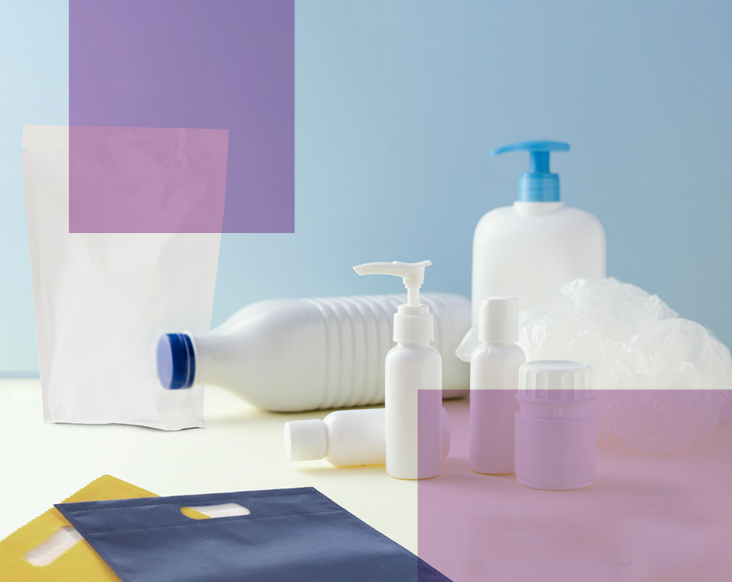
packaging ,plastic bags, plastic films, geomembranes and containers including bottles
packaging film, trash and grocery bags, agricultural mulch, wire and cable insulation, squeeze bottles, toys, and housewares
Polypropylene uses range from plastic packaging, plastic parts for machinery and equipment and even fibers and textiles
food packaging and laboratory ware
disposable plastic cutlery and dinnerware, CD “jewel” cases, smoke detector housings, license plate frames, plastic model assembly kits, and many other objects where a rigid, economical plastic is desired.
Polyvinyl Chloride (PVC) is one of the most widely
used polymers in the world. Due to its versatile
nature, PVC is used extensively across a broad
range of industrial, technical and everyday
applications including widespread use in building,
transport, packaging, electrical/electronic and
healthcare applications
Polymers used in the pipe industry
packaging ,plastic bags, plastic films, geomembranes and containers including bottles
packaging film, trash and grocery bags, agricultural mulch, wire and cable insulation, squeeze bottles, toys, and housewares
Polypropylene uses range from plastic packaging, plastic parts for machinery and equipment and even fibers and textiles
Polyvinyl Chloride (PVC) is one of the most widely
used polymers in the world. Due to its versatile
nature, PVC is used extensively across a broad
range of industrial, technical and everyday
applications including widespread use in building,
transport, packaging, electrical/electronic and
healthcare applications
ABS or Acrylonitrile butadiene styrene is a common
thermoplastic polymer typically used for injection
molding applications. This engineering plastic is
popular due to its low production cost and the ease
with which the material is machined by plastic
manufacturers.
As well as its uses in computer keyboard components
and LEGO bricks, ABS is commonly used to make
plastic face guards for wall sockets and protective
housing for power tools. It is commonly used in the
automotive field too, for items such as plastic alloys
and decorative interior car parts.